
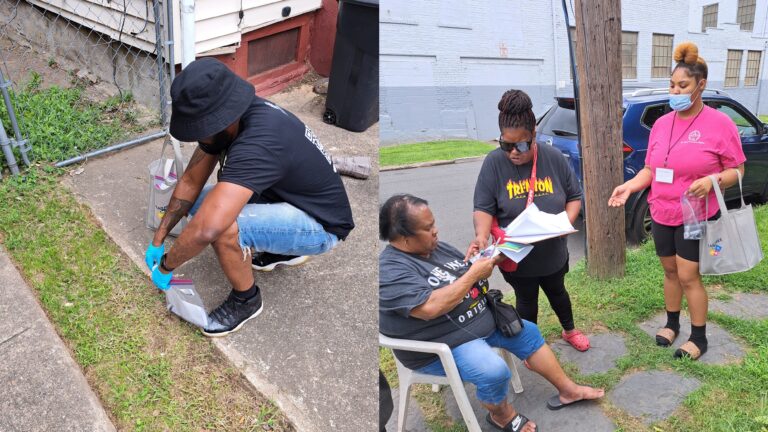

The Pilot Project Program (PPP) supports the CEED strategic vision by developing new research areas, attracting new and established scientists to environmental health research, fostering the careers of early career investigators, catalyzing community collaborations, growing CEED’s funding base, and enhancing our strengths in innovative, impactful environmental health research. Through the Pilot Project Program, CEED can maintain its focus on high-quality science, cutting-edge innovation, and productive interactions with the communities it serves. A major focus of the program is to support the CEED vision of an increase in community-centered environmental health research.